

Cleaning Tips for Fall
- YT01-099
- China
- 40-60days
- 100000pcs/month
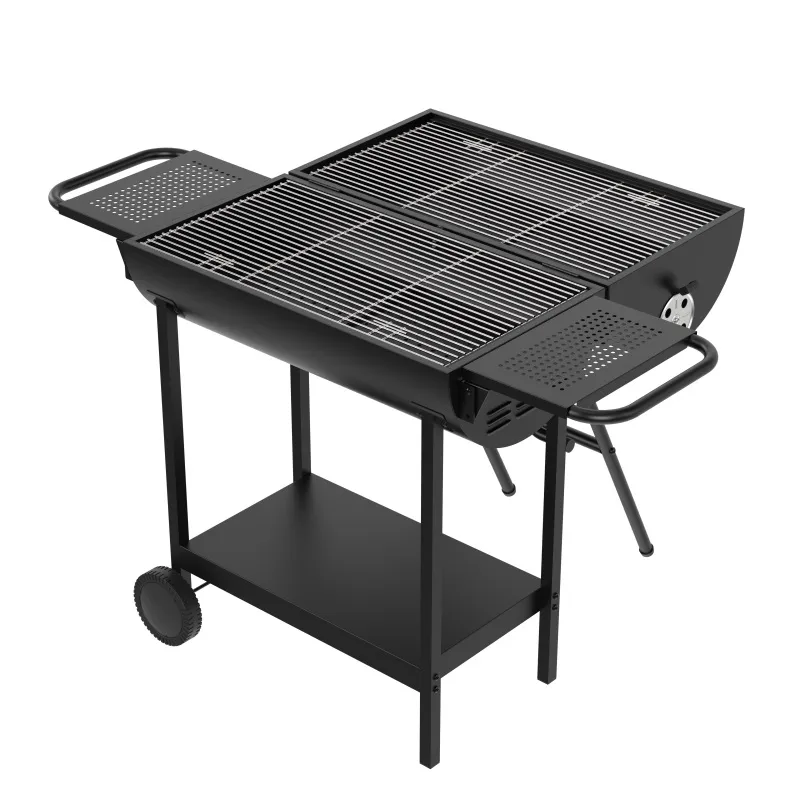
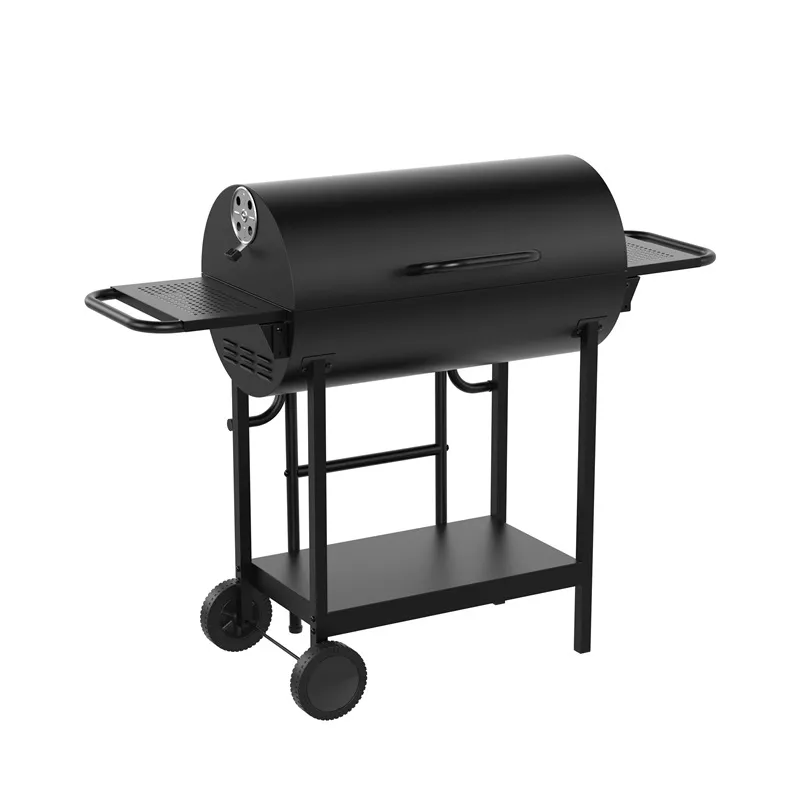
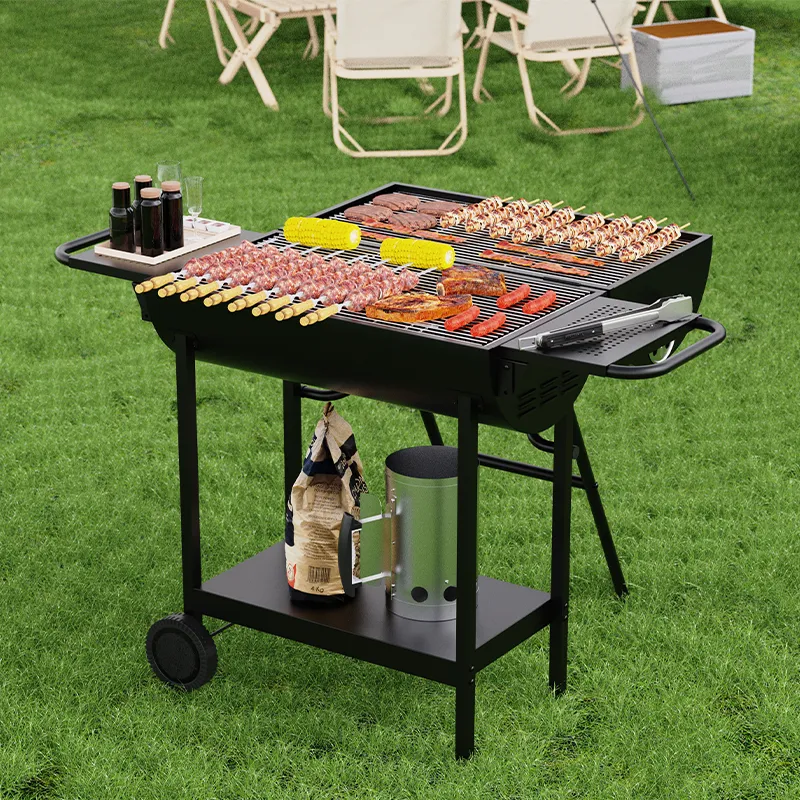
- 123*54*102 cm
- 80 cm
- 69.5*37*4.5 cm
- 74.5*38.5*19.2cm
- steel
Cleaning Tips for Fall
As the leaves turn and the air gets crisp, many outdoor chefs prepare to hang up the tongs for the season. However, "cleaning" isn't just about appearances; it’s about preventing oxidation, mold growth, and mechanical failure. Whether you are rocking a classic charcoal barbecue or a complex bbq grill and smoker combo, your fall maintenance routine determines if your grill will survive the winter or end up in a landfill by spring.
In this guide, we’ll dive deep into the professional techniques for deep-cleaning, the science of protection using a barbecue grill cover, and why your grill cleaning brush might be your most important (and dangerous) tool.
1. Why Fall Cleaning is Non-Negotiable
Most backyard cooks make the mistake of leaving the "deep clean" for the spring. Here is why that’s a mistake:
Ash + Humidity = Acid: If you use a charcoal barbecue, leftover ash absorbs moisture from the fall rain and snow. This creates a highly corrosive paste that can eat through steel in months.
Carbon Buildup: That "seasoning" on your lid is often just carbonized grease. In the cold, it becomes brittle and flakes onto your food.
Pest Control: Grease is a beacon for rodents seeking winter shelter. A clean grill is a boring home for a mouse.
2. The Deep Clean: Charcoal Barbecue Edition
The simplicity of a charcoal grill is deceptive. Because it deals with solid fuel, the residue is more abrasive and chemically active than gas.
The Ash Problem
When cleaning your charcoal barbecue, the first step is total ash evacuation.
Vacuum it out: Once the grill is completely cold, use a shop vac to get into the crevices that the ash scraper misses.
The "Lye" Factor: Ash contains potassium carbonate. When mixed with water, it becomes alkaline (lye). If you don't rinse thoroughly after a wet clean, you are leaving a corrosive film on the metal.
Degreasing the Kettle
Use a heavy-duty degreaser or a 50/50 mix of vinegar and water. Focus on the "smoke ring"—the area where the lid meets the base. This seal is crucial for temperature control.
3. Mastering the BBQ Grill and Smoker Combo
A bbq grill and smoker combo presents a unique challenge because it has more "dead space"—areas where smoke and grease travel but aren't directly over the heat source.
Cleaning the Firebox vs. The Cooking Chamber
In a combo unit, the firebox takes the most heat damage.
Check for Peeling: Often, the "paint" looks like it's peeling inside. This is usually creosote. Scrape it off with a putty knife.
The Flue/Chimney: Don't forget the smokestack! A clogged chimney in a bbq grill and smoker combo ruins your convection flow. Use a round wire brush to clear out the soot.
Maintaining the Seals
Check the gaskets. Fall is the perfect time to replace felt or silicone seals that have hardened over the summer. A leaky smoker is an inefficient smoker.
4. The Science of the Grill Cleaning Brush
Not all brushes are created equal. In fact, using the wrong grill cleaning brush can be a safety hazard.
Stainless Steel vs. Brass vs. Nylon
Stainless Steel: Best for heavy-duty cast iron or stainless grates.
Brass: Softer; use these on porcelain-coated grates to avoid chipping the enamel.
Nylon: Great for cold cleaning, but never use them on a hot grill (they will melt instantly).
The Safety Check
Crucial Tip: If you use a wire grill cleaning brush, perform the "Tug Test." Pull on the bristles with pliers. If they come out, throw the brush away. Loose bristles can stick to grates, end up in your food, and cause serious internal injuries.
5. Storage: The Barbecue Grill Cover Strategy
If you invest in nothing else this fall, invest in a premium barbecue grill cover. But beware: a bad cover is worse than no cover at all.
Material Matters
Look for 600D Polyester or higher. It needs to be UV-resistant and, most importantly, breathable.
The Trap: If a cover doesn't have air vents, it traps ground moisture inside. This creates a "sauna" effect that accelerates rust.
Fitting: Ensure the cover reaches the bottom but doesn't drape on the ground. If it touches the wet grass/snow, it will wick moisture up onto the grill.
Secure it for Winter Winds
Fall storms can turn your barbecue grill cover into a sail. Use the click-close straps or drawstring toggles to ensure it stays snug.
6. Step-by-Step Fall Maintenance Checklist
To help you organize your afternoon, follow this professional workflow:
Task | Tool Needed | Why it Matters |
Grate Scouring | Grill cleaning brush | Removes carbonized food and bacteria. |
Ash Removal | Shop Vac / Ash Tool | Prevents acid corrosion in charcoal barbecues. |
Exterior Waxing | Car Wax (non-flammable) | Provides a hydrophobic layer against snow. |
Internal Oiling | Grapeseed or Canola Oil | "Seasons" the metal to prevent oxidation. |
Covering | Barbecue grill cover | Protects against UV and moisture. |
7. Pro Tip: The "Steam Clean" Method
Before you put the grill away, try the steam method. Get the grill up to high heat, soak a newspaper or a heavy rag in water, and "scrub" the grates using your grill cleaning brush to hold the wet material. The steam will lift stubborn grease that chemicals can't touch.
Conclusion
Fall cleaning is the bridge between a great summer of grilling and a successful spring kickoff. By deep cleaning your charcoal barbecue, servicing the vents of your bbq grill and smoker combo, and securing a high-quality barbecue grill cover, you are protecting your investment.
Don't wait for the first frost—grab your grill cleaning brush this weekend and give your grill the "spa day" it deserves.